Nursing school is one of the most demanding academic journeys a person can undertake. Between rigorous coursework, back-to-back clinical rotations, NCLEX preparation, and the emotional weight of patient care, it is no surprise that nursing student burnout has become a growing crisis in healthcare education.
Studies consistently show that nursing students experience disproportionately high rates of stress, anxiety, and burnout compared to students in other disciplines. Left unaddressed, burnout does not just hurt academic performance, it can derail careers before they even begin, and contribute to the broader nursing shortage that healthcare systems worldwide are already struggling to manage.
This guide breaks down the key warning signs of nursing student burnout, explores the root causes, and offers practical, evidence-based solutions to help students reclaim their wellbeing, resilience, and passion for nursing.

What Is Nursing Student Burnout?
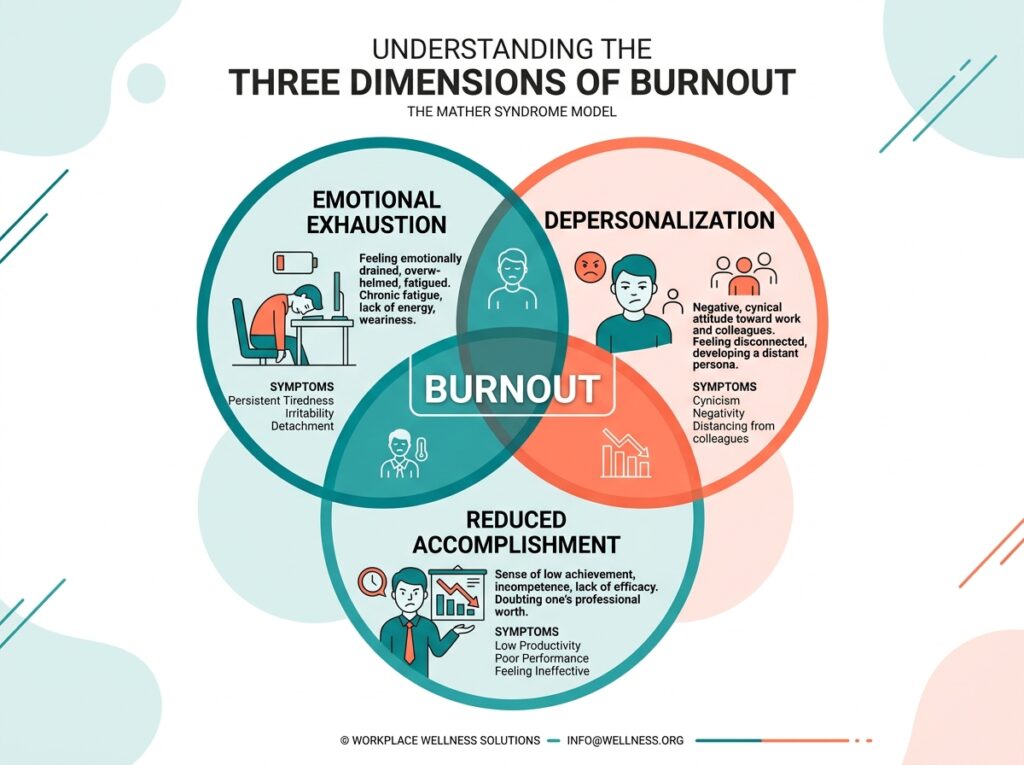
Burnout is more than just feeling tired after a long week. It is a state of chronic physical, emotional, and mental exhaustion caused by prolonged exposure to high-stress environments without adequate recovery or support. The concept was first described by psychologist Herbert Freudenberger in 1974 and later expanded by researchers Christina Maslach and Susan Jackson into three core dimensions:
- Emotional exhaustion , feeling completely drained and unable to give emotionally to patients or peers
- Depersonalization , developing a detached or cynical attitude toward patients and the profession
- Reduced sense of personal accomplishment , feeling ineffective, incompetent, or that your efforts make no meaningful difference
For nursing students, burnout often looks slightly different from working nurses because it is compounded by academic pressure, financial stress, identity formation, and the steep learning curve of clinical practice. Recognizing the signs early is the first and most important step toward prevention and recovery.
Early Warning Signs of Nursing Student Burnout
Burnout rarely arrives overnight. It builds gradually through weeks and months of accumulated stress. The earlier you can identify the warning signs, the sooner you can intervene. Here are the most common signs to watch for:
1. Chronic Physical Fatigue
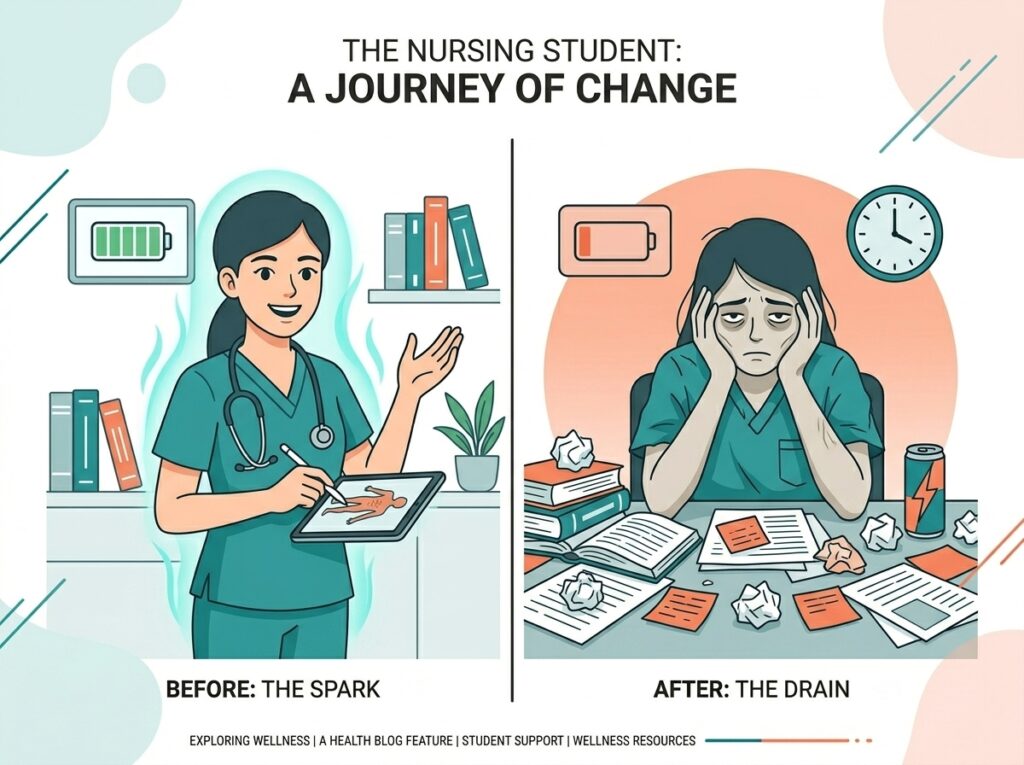
Feeling tired after a 12-hour clinical shift is normal. Waking up exhausted every single morning, even after a full night of sleep, is not. Persistent fatigue that does not improve with rest is one of the hallmark signs of burnout. Nursing students often push through physical exhaustion, mistaking it for a temporary side effect of a hard week , but the body is sending a serious warning signal.
2. Declining Academic Performance
If a student who previously maintained strong grades suddenly struggles to concentrate, retain information, or complete assignments on time, burnout could be the culprit. Burnout impairs cognitive function — particularly memory, focus, and problem-solving — making it increasingly difficult to study effectively even when the student is putting in the hours.
3. Emotional Numbness or Detachment
One of the more alarming signs is when a nursing student begins to feel emotionally disconnected from their patients, their studies, or even their peers. Where compassion and curiosity once existed, there is now a flat, indifferent emotional landscape. This depersonalization is a self-protective mechanism that the mind uses when it has been overwhelmed for too long.
4. Loss of Motivation and Purpose
Nursing students often enter their programs fuelled by a powerful desire to help others. Burnout erodes that sense of purpose. Students may find themselves questioning why they chose nursing, dreading clinical days they once looked forward to, or fantasizing about quitting the program entirely.
5. Increased Irritability and Mood Swings
Burnout significantly affects emotional regulation. Students may find themselves snapping at classmates, becoming easily frustrated during simulations, or withdrawing from social interactions. Relationships — both personal and professional — often suffer as a result.
6. Physical Symptoms
Burnout does not stay in the mind. It manifests physically through recurring headaches, stomach problems, frequent colds (due to a suppressed immune system), muscle tension, and disrupted sleep patterns. Students may find themselves getting sick more often than usual, particularly during high-pressure periods like finals or NCLEX preparation.
7. Using Unhealthy Coping Mechanisms
When internal resources run dry, some students turn to unhealthy outlets: excessive caffeine consumption, alcohol, emotional eating, social isolation, or binge-watching as a way to escape the pressure. These behaviors provide short-term relief but deepen the cycle of burnout over time.
Root Causes of Nursing Student Burnout
Understanding why burnout happens is just as important as knowing the signs. Nursing student burnout is rarely caused by a single factor, it is almost always the result of multiple stressors converging over time.
Heavy Academic and Clinical Workload
Nursing programs pack an extraordinary amount of content into a short time frame. Anatomy, pharmacology, pathophysiology, clinical skills, and evidence-based practice — all must be mastered simultaneously. Add clinical rotations that can run 8 to 12 hours at a time, and it becomes clear why nursing students have very little white space in their schedules for rest, reflection, or recovery.
High-Stakes Examinations
The looming presence of the NCLEX-RN or NCLEX-PN creates a persistent undercurrent of anxiety throughout the entire nursing program. Every exam feels consequential. This chronic high-stakes pressure elevates cortisol levels, disrupts sleep, and contributes significantly to burnout over time.
Emotional Exposure in Clinical Settings
Nursing students are exposed to human suffering, death, trauma, and moral distress from their very first clinical placement. Without adequate preparation or emotional debriefing, this exposure accumulates into what researchers call compassion fatigue — a state closely intertwined with burnout.
Inadequate Sleep
Many nursing students sleep fewer than six hours per night during their training. Sleep deprivation does not just impair academic performance, it fundamentally undermines emotional regulation, decision-making, immune function, and physical recovery. Chronically sleep-deprived students are dramatically more vulnerable to burnout.
Financial Pressure
Tuition, uniforms, clinical supplies, and exam fees add up quickly. Many nursing students work part-time or even full-time jobs while studying, squeezing sleep and study time even further. Financial stress is a frequently underestimated contributor to nursing student burnout.
Lack of Social Support
Nursing school can be isolating. The sheer volume of work limits time for friendships, family relationships, and community engagement. Students who lack a strong support network are significantly more susceptible to burnout.
Proven Solutions for Nursing Student Burnout
The good news is that burnout is not inevitable, and it is absolutely reversible with the right strategies. Here is a comprehensive look at what actually works, both for students experiencing burnout and for those looking to prevent it.
1. Prioritize Sleep as a Non-Negotiable
This may sound simple, but it is the single most impactful intervention available. Aim for seven to nine hours of sleep per night, even during exam periods. Sleep is not a luxury, it is the foundation of cognitive function, emotional resilience, and physical health. If your schedule makes this impossible, treat it as a sign that your schedule needs restructuring.
2. Build a Realistic and Sustainable Study Schedule
Effective nursing students are not the ones who study the longest hours, they are the ones who study most strategically. Use active recall techniques, spaced repetition tools like Anki, and time-blocking to maximize learning efficiency. Schedule mandatory breaks using methods like the Pomodoro Technique (25 minutes of focused work, five-minute break) to prevent cognitive overload.
3. Develop Emotional Processing Habits
Clinical exposure brings emotional weight that must be processed. Journaling, peer debriefing sessions, and structured reflective practice are all evidence-based tools for processing difficult clinical experiences. Some programs offer formal debriefing sessions after high-intensity rotations — take full advantage of these when available.
4. Seek Mental Health Support Early
Most nursing schools and universities offer free or subsidized counseling services. Do not wait until you are in crisis to reach out. Many students find that regular sessions with a therapist or counselor provide a critical outlet for stress and help build the coping skills needed for a long nursing career.
5. Cultivate a Strong Peer Support Network
Research consistently shows that social support is one of the most powerful buffers against burnout. Build relationships with fellow nursing students who understand the unique demands of your program. Study groups, peer mentorship, and even informal check-ins can make an enormous difference in how supported you feel throughout your training.
6. Practice Intentional Self-Care
Self-care in nursing is not bubble baths and scented candles — it is intentional, scheduled, and non-negotiable. This includes regular physical activity (even 20 to 30 minutes of walking significantly reduces stress hormones), nutritious eating, time in nature, creative pursuits, and adequate social connection. Block time for these activities in your schedule as seriously as you block time for studying.
7. Set Firm Limits Around Your Time
Learning to say no is one of the most important professional skills a nursing student can develop. This applies to taking on extra clinical shifts, agreeing to join every committee, or sacrificing sleep for social obligations. Protecting your time and energy is not selfish — it is essential for sustainable performance and long-term career success.
8. Reconnect With Your ‘Why’
When burnout strips away motivation, it helps to intentionally reconnect with the reasons you chose nursing. Keep a journal of meaningful patient interactions. Watch documentaries about frontline healthcare workers. Talk to experienced nurses who have found deep fulfillment in their careers. Reconnecting with purpose is not naive, it is a research-backed resilience strategy.
9. Talk to Faculty and Academic Advisors
If you are struggling, tell someone in a position to help. Academic advisors, faculty mentors, and program directors often have more flexibility than students realize — whether that is adjusting a clinical schedule, connecting students with resources, or modifying academic timelines in cases of acute burnout.
10. Advocate for Systemic Change
Individual strategies matter, but burnout in nursing education is also a systemic problem that requires systemic solutions. Advocate within your program for mandatory wellness education, lower student-to-faculty ratios in clinical settings, structured peer support programs, and mental health days. The nursing leaders of tomorrow are formed in nursing school — and they need to experience what sustainable, compassionate care actually looks like.

How Nursing Schools Can Help
Addressing nursing student burnout cannot be left entirely to individual students. Nursing schools and healthcare institutions play a pivotal role in either perpetuating or preventing burnout. Evidence-based institutional strategies include:
- Embedding wellness and resilience training into the core nursing curriculum
- Providing mandatory clinical debriefing sessions after high-acuity placements
- Training faculty to recognize and respond to signs of student distress
- Offering flexible scheduling options during peak academic periods
- Creating peer mentorship programs pairing senior students with junior cohorts
- Making mental health resources visible, accessible, and destigmatized
- Reducing unnecessary administrative burden that adds stress without educational value
When nursing schools model the wellbeing practices they expect their graduates to bring into clinical settings, they produce nurses who are more resilient, more compassionate, and better prepared for the realities of the profession.
When Burnout Becomes a Crisis
For some nursing students, burnout crosses the threshold into a mental health crisis involving severe anxiety, depression, or suicidal ideation. If you or someone you know is experiencing thoughts of self-harm or suicide, please reach out immediately to a crisis helpline, a trusted healthcare provider, or go to the nearest emergency department.
In Kenya and across Africa, the Africa Mental Health Foundation (AMHF) provides mental health resources and support. Globally, the International Association for Suicide Prevention maintains a directory of crisis centres at https://www.iasp.info/resources/Crisis_Centres/
You are not alone, and what you are feeling is real. Seeking help is not a sign of weakness — it is the bravest and most clinically sound decision you can make.
Also read on Common Nursing Diagnoses and Interventions List
Final Thoughts: Burnout Is Not a Badge of Honor
There is a dangerous narrative in healthcare culture that equates exhaustion with dedication. Suffering through nursing school without complaint is not resilience , it is a warning sign of a system that has normalized harm.
Nursing student burnout is real, it is widespread, and it deserves to be taken seriously by students, faculty, and healthcare institutions alike. The early warning signs are there if you know what to look for. The solutions are available if you are willing to use them.
Most importantly, every nursing student struggling with burnout deserves to know this: choosing nursing was not a mistake. The passion that brought you to this profession is still in there. With the right support, the right strategies, and a commitment to your own wellbeing, you can complete your training, enter the profession, and build a long, meaningful career in nursing.
Take care of yourself so that you can take care of others. That is not just good advice — it is the foundation of sustainable nursing practice.
Key Takeaways
- Nursing student burnout is characterized by exhaustion, depersonalization, and reduced personal accomplishment
- Early warning signs include chronic fatigue, declining grades, emotional detachment, and physical symptoms
- Root causes include academic overload, sleep deprivation, clinical emotional exposure, and financial stress
- Proven solutions include prioritizing sleep, building peer support, seeking counseling, and practicing intentional self-care
- Nursing schools share responsibility for preventing burnout through institutional policy and cultural change
- If burnout reaches crisis level, immediate professional help is essential and available









 Evan John