Preparing for the Dissertation Defense
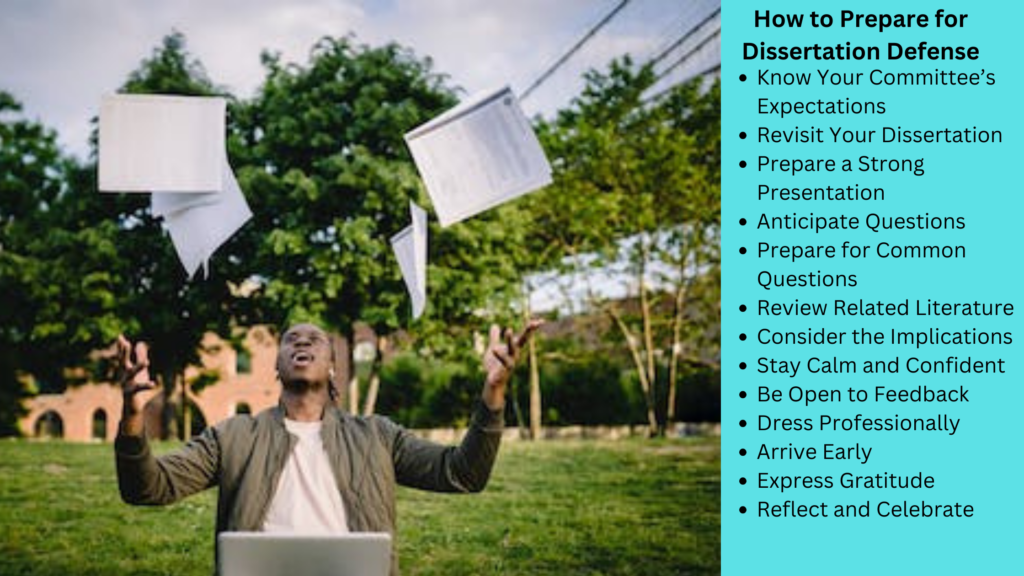
To increase your chances of success, thorough preparation is essential. Here are some key steps to help you prepare for your dissertation defense:
1. Know Your Research Inside
To succeed in your dissertation defense, you must have a deep understanding of your research inside and out. This means thoroughly reviewing your literature review, methodology, findings, and conclusions. Familiarize yourself with every aspect of your research to ensure you can confidently answer any question that may arise during the defense.
2. Practice Your Presentation
Preparing a well-structured and engaging presentation is crucial. Practice delivering your presentation multiple times to ensure that you are comfortable with the content and the flow. Pay attention to your speaking pace, clarity, and body language. Practice in front of a mirror, friends, or colleagues to receive feedback and make necessary improvements.
3. Anticipate and Address Potential Questions
Take the time to anticipate potential questions that the committee may ask. Put yourself in their shoes and consider different perspectives on your research. Prepare thoughtful and concise answers that demonstrate your expertise and critical thinking skills. By addressing potential questions in advance, you’ll feel more confident during the actual defense.
4. Seek Feedback from Your Advisor and Peers
Seeking feedback from your advisor and peers can significantly enhance your preparation. Share your presentation and defense strategy with them and ask for their input. They can provide valuable insights, identify potential gaps in your arguments, and offer suggestions for improvement. Incorporate their feedback to refine your presentation and strengthen your defense.
5. Create a Defense Strategy
Developing a defense strategy can help you approach the defense with confidence and clarity. Outline the key points you want to highlight and the main arguments you want to convey. Consider different ways to address potential challenges or critiques and strategize how you will defend your research effectively. Having a clear plan in place will help you stay focused and composed during the defense.
Read What is a dissertation
Organizing Your Defense
Once you have prepared thoroughly, it’s time to focus on organizing the logistics of your defense day. Pay attention to the following aspects:
1. Preparing Your Slides or Visual Aids
Create visually appealing and informative slides or visual aids to support your presentation. Ensure that they effectively convey the key points of your research. Use clear and concise language, appropriate visuals, and well-structured graphs or tables. Practice presenting with your slides to ensure a smooth and seamless flow between your speech and visual aids.
2. Rehearsing the Defense Process
Practice the entire defense process, from the opening statement to the conclusion. Familiarize yourself with the sequence of events and transitions between different sections. Timing is crucial, so make sure you allocate sufficient time for each part of the defense. Rehearse until you feel comfortable and confident with the overall flow of your defense.
3. Dress Professionally and Arrive Early
On the day of your defense, dress professionally to make a positive impression. Arrive early to the defense venue to allow yourself time to set up, familiarize yourself with the surroundings, and mentally prepare. Being punctual demonstrates your commitment and professionalism.
Navigating the Defense Day
The defense day has arrived, and it’s time to put all your preparation into action. Follow these guidelines to navigate the defense successfully:
1. Opening Statement and Introduction
Begin your defense with a strong opening statement to capture the attention of the committee. Provide a brief overview of your research topic, its significance, and your main research objectives. Set the stage for the rest of your presentation.
2. Delivering Your Presentation
During your presentation, clearly articulate your research objectives, methodology, findings, and conclusions. Use engaging and accessible language to ensure that both experts and non-experts in your field can understand your work. Maintain eye contact with the committee members, speak with confidence, and emphasize the key points of your research.
3. Responding to Questions and Critiques
During the question-and-answer session, listen attentively to each question posed by the committee members. Take a moment to understand the question fully before responding. If you don’t know the answer, it’s okay to admit it. Be honest and open to learning from the committee’s expertise. When answering questions, be concise and focused, providing relevant information without going off on tangents.
4. Demonstrating Confidence and Knowledge
Confidence is key during your dissertation defense. Demonstrate your expertise and knowledge by providing well-informed and articulate responses. Maintain a calm and composed demeanor, even if faced with challenging or critical questions. Remember, the committee members are there to assess your work, but they also want to see your ability to handle pressure and defend your research effectively.
Dealing with Challenges and Feedback
The defense process can sometimes present challenges or unexpected situations. Here are some tips for handling them:
1. Handling Criticism
Be prepared for potential criticism of your work. Remember that constructive criticism is an opportunity for growth. Listen to feedback with an open mind and respond respectfully. Address any concerns raised by the committee members by providing evidence, additional explanations, or alternative perspectives.
2. Addressing Technical Issues
Technical issues can occur during a defense, such as problems with audiovisual equipment or slides not displaying correctly. Stay calm and composed if these issues arise. If possible, have a backup plan, such as having a printed copy of your slides or being prepared to present without visual aids if necessary. Focus on delivering a clear and engaging presentation regardless of any technical challenges.
3. Learning from the Feedback
The feedback received during your defense is invaluable. Take notes and listen carefully to the suggestions and recommendations provided by the committee members. After the defense, reflect on their feedback and consider how it can enhance your research. Use this feedback to make improvements and revisions to your dissertation if needed.
Conclusion
Preparing for your dissertation defense is a significant milestone in your academic journey. By thoroughly understanding your research, practicing your presentation, anticipating questions, seeking feedback, and creating a defense strategy, you can approach the defense with confidence. Remember to stay composed, respond thoughtfully, and be open to feedback. Embrace this opportunity to showcase your knowledge and expertise.









 Evan John